
Technology
How Kabira Mobility is Addressing the World Oil Shortage?
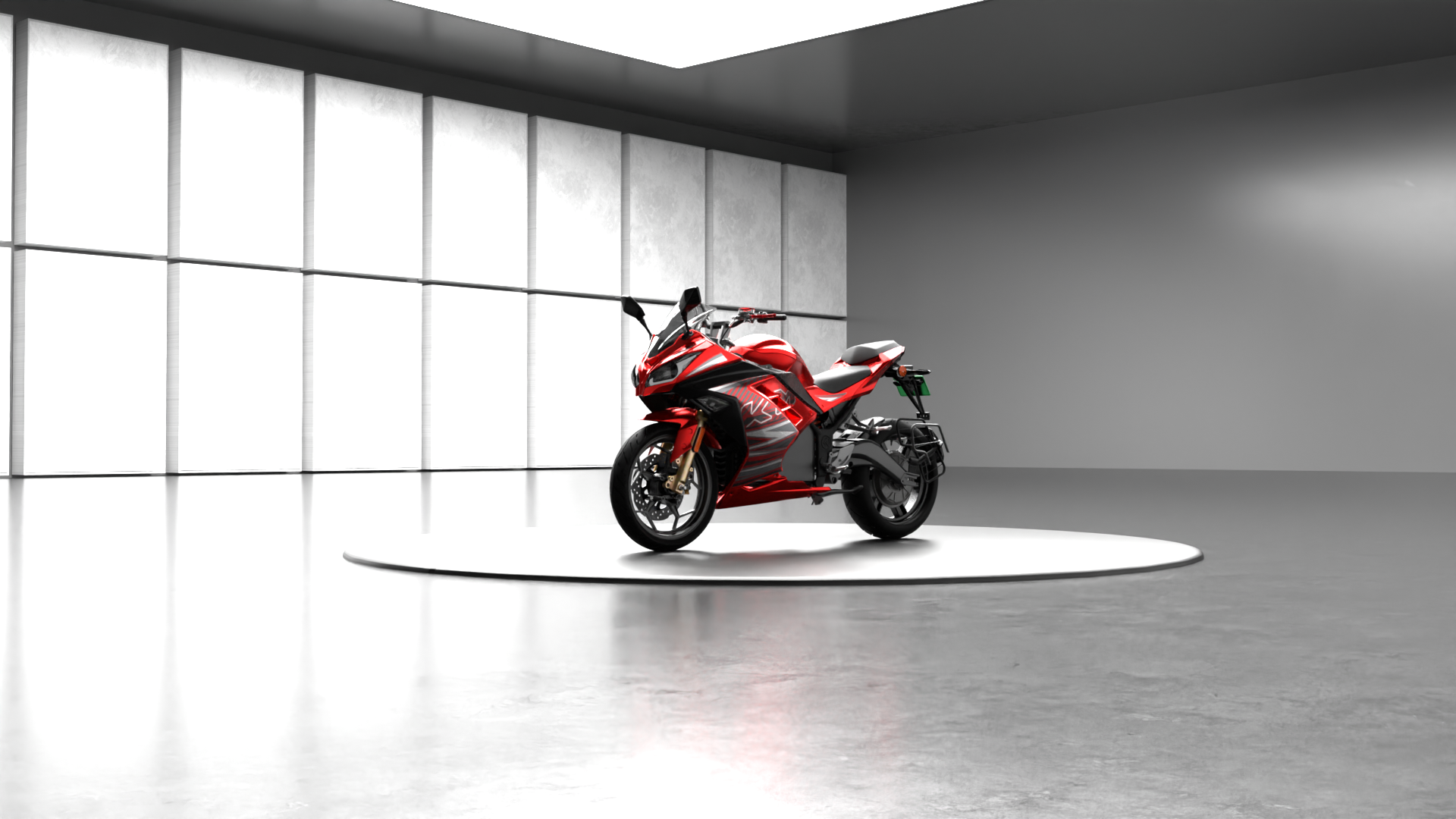
India imports a large share of its crude oil, which leaves riders and businesses exposed to fuel-price volatility. Electric mobility does not solve the global oil shortage alone, but it directly reduces daily dependence on petrol for the most common urban and intercity trips.
Why two-wheelers matter
Two-wheelers represent one of the highest-frequency mobility categories in India. When a daily commuter or delivery operator shifts from petrol to electric, the effect compounds across every ride, every month, and every service cycle.
Kabira Mobility focuses on motorcycles and scooters because this is where practical electrification can move quickly. Riders can charge at home or at a workplace, operating costs become predictable, and the vehicle does not need imported fuel for every kilometre.
Reducing fuel exposure
A petrol motorcycle turns every commute into a recurring fuel purchase. A Kabira electric vehicle shifts that energy demand to electricity, where the cost per kilometre is materially lower and easier to plan around.
For fleet operators, the impact is even clearer. Energy cost, maintenance cost, and vehicle uptime become measurable operating levers instead of fuel-market variables.
Built for Indian conditions
The transition only works if the product can handle Indian roads, heat, range expectations, and service realities. Kabira vehicles are engineered around LFP battery chemistry, robust chassis architecture, and a service model intended for long-term ownership.
The larger direction
Oil dependence will not disappear overnight. But every reliable electric two-wheeler on the road reduces the pressure on imported fuel, lowers running cost for its owner, and makes clean mobility more practical for the next rider.
Continue reading
Wish to know more about Kabira?
Take a closer look at the machines built for India’s roads.